Showcase your capabilities
If you design, build or supply Drone Motors, create a profile to showcase your capabilities and connect with visitors who have an active requirement for your solutions.

Drone motors are critical components that power and control the flight of unmanned aerial systems (UAS) across a range of applications, from recreational quadcopters to industrial UAVs. Selecting the right drone motor ensures optimal performance, efficiency, and reliability. Whether you're looking for heavy-lift drone motors for cargo delivery, or quadcopter motors for ISR drones, understanding the types and functions of these motors is essential for achieving successful flight operations.
Read the Technology Overview

Innovative Integrated Propulsion Systems for Professional Multirotor & Fixed-Wing Drone Platforms


Cutting-Edge Propulsion Systems for UAVs: Drone Motors, ESCs, and Propellers


Cutting-Edge Precision Motor & Motion Solutions for Unmanned Aerial Vehicles


Unified Propulsion Systems for Mission-Critical, High-Reliability UAV Platforms


Long-Range Fixed Wing Drones, VTOL Airframes, Tandem-Wing UAV & Sprayers | Ground Stations, Drone Generators & Drone Motor Kits


High Performance Electric Motors, ESCs, Generators & Starters for Unmanned Systems


Innovative NDAA-Compliant Drone Hardware Solutions & Engineering Services


Innovative electric motors and controls designed for high voltage applications across the aerospace sector


Power & Propulsion Solutions for UAVs: Drone Motors, ESCs, Batteries & Propellers


Industrial Multirotor Drones, Long-Endurance Fixed Wing VTOL UAVs, & High-Energy-Density Li-ion Batteries


COTS & Custom Drone Propellers, Brushed & BLDC motors, and ESCs for UAVs

If you design, build or supply Drone Motors, create a profile to showcase your capabilities and connect with visitors who have an active requirement for your solutions.

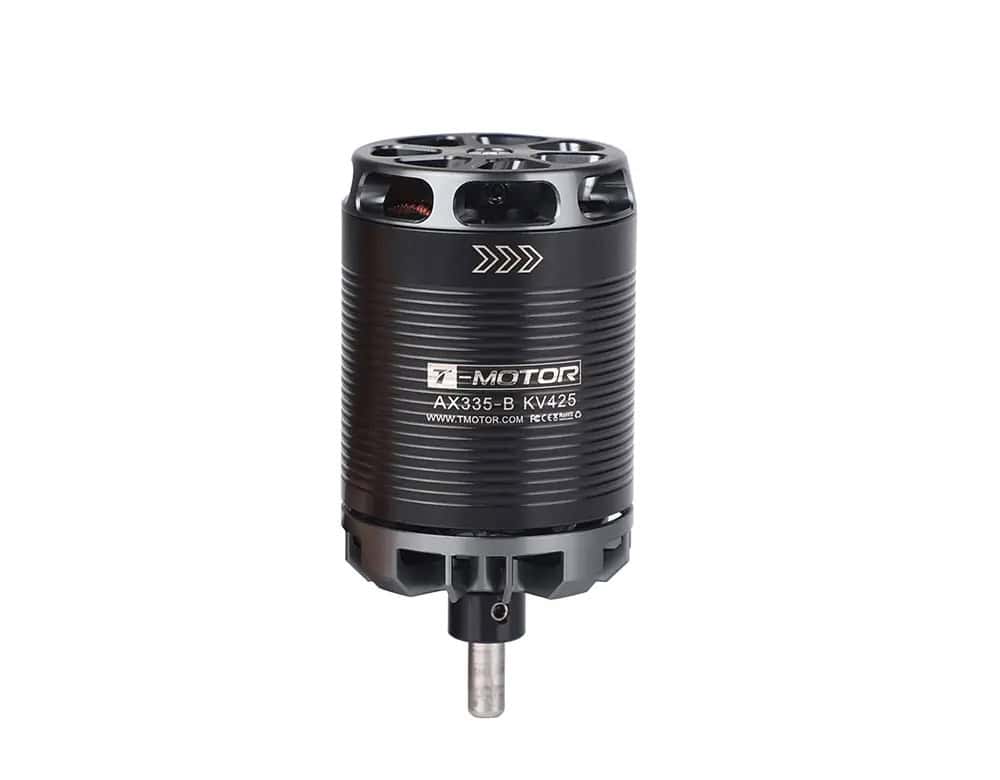
Drone motors are the power sources that generate thrust to propel UAVs and maintain their stability in the air. Most modern drones use electric motors, specifically brushless motors, due to their high efficiency, durability, and minimal maintenance requirements. These motors work in conjunction with electronic speed controllers (ESCs) and propellers to deliver precise control over drone movement.
Key features of drone motors include:

Brushless DC motors for drones from Plettenberg.
Choosing the right motor depends on the type of drone and its intended application. Here are the primary types of drone motors:
Brushless drone motors are known for their high efficiency and durability, making them the ideal choice for most modern drones. They are widely used in a variety of applications, including racing drones, aerial photography drones, and heavy-lift UAVs. Examples of these motors range from small brushless motors designed for mini drones to heavy-duty brushless motors used in industrial applications.
Brushed drone motors, with their older and simpler design, are commonly found in entry-level drones. They are frequently used in toy drones, mini quadcopters, and other low-cost UAVs. These motors are easy to replace, but their reliance on physical brushes means they wear out more quickly compared to brushless alternatives.
Heavy-lift drone motors are designed to generate high torque and thrust, making them ideal for drones that carry heavy payloads. These motors are commonly used in delivery drones, agricultural UAVs, and cinematography drones. Examples include large drone motors and heavy-lift brushless motors, which provide the power necessary for demanding applications.
Racing drone motors are high-speed motors specifically designed for agility and rapid acceleration. They are commonly used in FPV (First-Person View) racing drones and competitive drone flying. These motors feature high KV ratings, allowing them to support rapid throttle changes for quick maneuvers and bursts of speed.
Quadcopter motors are specifically optimized for four-rotor drones, providing balanced performance and stability. They are commonly used in recreational drones, surveillance UAVs, and camera drones. These motors are often paired with appropriate propellers to ensure efficient thrust generation and smooth flight operations.
Mini drone motors are small and lightweight, making them ideal for compact drones. They are commonly used in indoor drones, micro quadcopters, and various hobby UAVs where size and weight are critical factors.
Permanent Magnet Synchronous Motors (PMSMs) are highly efficient and reliable motors that use permanent magnets to generate a constant magnetic field. These motors are known for their precision, smooth operation, and excellent torque-to-weight ratio, making them suitable for advanced drone applications. PMSMs are commonly used in high-performance UAVs where stability, energy efficiency, and precise control are essential. They are particularly valuable in applications like professional aerial photography, mapping, and industrial inspection drones, where consistent performance and accuracy are required.

Compact motors for drones and robotics by Alva Industries.
When selecting a drone motor, consider the following specifications:
KV Rating
Motor Size
Weight and Efficiency
RPM and Torque
Motors for drones used in professional filmmaking and surveying require stability and smooth operation. Brushless motors with low vibration are ideal.
Heavy-lift drone motors enable agricultural UAVs to carry payloads for crop spraying, monitoring, and analysis.
UAV motors designed for carrying cargo or packages over long distances must balance power, efficiency, and reliability.
High-speed brushless drone motors with high KV ratings provide the agility needed for competitive racing.
Reliable quad motors with silent operation are essential for stealth UAV operations.
To ensure optimal performance and longevity, maintain your drone motors with these practices:
In certain UAVs, particularly those requiring enhanced maneuverability or VTOL capabilities, drone motors may be integrated with thrust vectoring mechanisms. These systems redirect thrust for fine control of pitch, yaw, and roll, improving stability and precision in complex flight conditions.
Drone motors are essential for powering UAVs, and selecting the right motor depends on your drone’s type and intended use. From efficient brushless drone motors to robust heavy-lift UAV motors, understanding motor specifications and applications ensures optimal flight performance. Whether you’re a hobbyist, professional pilot, or engineer, the right motor choice contributes to successful and reliable drone operations.


 Searching Companies & Products

 Subscribe to the Weekly eBrief
The latest engineering and technical developments straight to your inbox - join thousands of engineers who receive it.
Subscribe to the Weekly eBrief
The latest engineering and technical developments straight to your inbox - join thousands of engineers who receive it.