


Suppliers
Add your company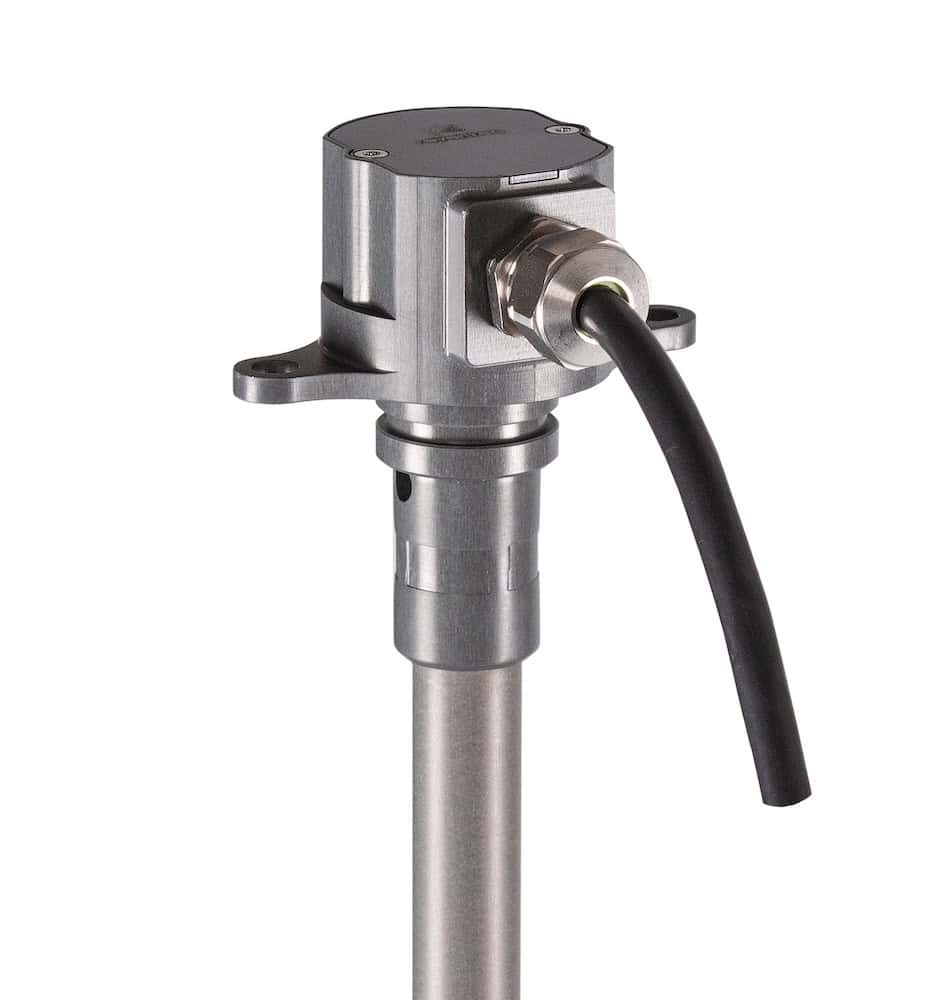


Showcase your capabilities
If you design, build or supply Liquid Level Sensors, create a profile to showcase your capabilities on this page
Products

Liquid Level Sensors for Unmanned Systems, Robots, and Drones

Unmanned systems are increasingly used in critical missions and harsh environments where reliability is paramount and human intervention is limited.
Liquid level sensors support this reliability by continuously monitoring and reporting the volume of essential fluids in real time. This functionality enables intelligent automation, improves vehicle autonomy, and ensures the continued safety and efficiency of unmanned operations.
Applications of Liquid Level Sensors in Unmanned Systems
Fuel Monitoring Across Air, Land, & Sea
Fuel level sensors are indispensable in unmanned vehicles powered by internal combustion engines or hybrid systems. UAVs require precise fuel data to optimize flight paths, payload distribution, and mission durations. UGVs often operate over large areas where resupply is limited, making accurate fuel monitoring critical for route planning. In USVs, fuel sensors not only ensure continuous propulsion but also help maintain stability in choppy or unpredictable waters. Across all platforms, these sensors help avoid mid-mission failures, inform return-to-base decisions, and support real-time system diagnostics.
Coolant & Thermal Management Systems

LSM800 Liquid Level Sensor by Reventec
Modern unmanned systems incorporate complex electronics and high-performance batteries that generate substantial heat during operation. To prevent thermal damage, liquid cooling systems are employed, particularly in high-speed UAVs and battery-heavy UGVs. Sensors in these systems track coolant levels, ensuring optimal heat dissipation and flagging issues such as evaporation or leaks before they compromise functionality. In battery thermal management systems, liquid level data enables intelligent load balancing and emergency protocols to protect power units and extend operational life.
Hydraulic Fluid Monitoring for Mechanical Systems
UGVs designed for logistics, heavy lifting, or multi-axis mobility often utilize hydraulic systems to power mechanical arms, wheels, and suspension systems. These hydraulics are dependent on fluid pressure and volume. Monitoring hydraulic fluid levels ensures the system maintains sufficient pressure and helps detect leaks that could cause sudden loss of control. Sensors within hydraulic circuits provide real-time feedback, enhancing the reliability of operations and protecting against mechanical failure in mission-critical scenarios.
Ballast & Buoyancy Control in Maritime Environments
For unmanned surface and underwater vehicles, ballast control is essential for maintaining buoyancy, adjusting depth, and stabilizing operations in variable water conditions. Liquid level sensors within ballast tanks measure incoming and outgoing fluid volumes, enabling precise control over vehicle trim and displacement. Whether it’s diving to specific depths for oceanographic sampling or maintaining surface-level balance while performing reconnaissance, these sensors ensure marine unmanned systems remain stable and responsive.
Firefighting & Emergency Water Systems
Specialized firefighting UAVs and UGVs are equipped with water or foam tanks for emergency response, particularly in firefighting operations where terrain or access make manned intervention risky. In such deployments, liquid level sensors monitor the amount of extinguishing agent available, enabling operators to manage resources and maximize suppression coverage. Automatic sensor feedback can also trigger resupply protocols or alert ground teams to status changes, ensuring that firefighting missions proceed without unnecessary interruptions.
Environmental Sampling & Hazardous Fluid Handling
Unmanned systems are frequently used in environmental research, oil spill clean-up, and hazardous waste management contexts where handling and storing fluids are integral. These platforms use onboard tanks to collect liquid samples or contaminated substances. Liquid level sensors are key in confirming sample volumes, avoiding tank overflow, and maintaining containment integrity. In systems designed for continuous sampling, sensor data can help regulate intake cycles or signal when to return to base for offloading.
Waste & Fluid Containment for Industrial Inspections
Unmanned vehicles inspecting or servicing industrial environments, such as oil refineries, chemical plants, or offshore rigs, may incorporate containment tanks for capturing process fluids or waste liquids. These operations often occur in environments where leaks or spills can be hazardous. Integrated liquid level sensors monitor containment levels to prevent overfill or cross-contamination. They also help validate successful capture during automated maintenance tasks and contribute to comprehensive incident reporting.
Payload Management & Onboard Delivery Systems
Many unmanned systems are outfitted with fluid-based payloads, such as pesticide tanks in agricultural drones or water payloads in decontamination robots. Accurately monitoring liquid levels in these payloads is critical to ensure even application, verify delivery volumes, and manage leftover reserves. These sensors often integrate with automated dispersal systems, enabling precise dosing, repeatability across missions, and traceable records for compliance or scientific analysis.
System Diagnostics & Leak Detection
Unmanned systems often operate far from support teams, making early detection of fluid-related faults crucial. Liquid level sensors indicate leaks, tank punctures, or seal failures. Sudden or gradual drops in fluid levels, detected without corresponding output, can trigger alarms, switch system modes, or prompt mission abort procedures. This capability is especially valuable in systems carrying combustible fluids or operating in environmentally sensitive zones, where leaks could cause significant harm.
Liquid Level Sensors in Unmanned Systems
By enabling precise, automated monitoring of mission-critical fluids such as fuel, coolant, oil, water, and hydraulic fluid, these sensors support everything from propulsion and power regulation to buoyancy and payload management. As unmanned platforms become more autonomous and capable, the demand for smart fluid sensing will only grow, spanning industries from defense and disaster response to marine research and industrial automation.
These sensors not only safeguard unmanned systems but also enhance operational efficiency, allowing autonomous technologies to meet the increasing complexity and scale of modern missions. Whether deployed in a desert, deep underwater, or over dense urban terrain, liquid level sensors provide the data that keeps unmanned systems running, adapting, and excelling in challenging environments.


