


Suppliers
Add your company
DTC Codan
Software Defined Radios (SDRs) and IP Mesh Radios for UAV, Drones, UGVs and Robotics

Platinum Partner

Calian GNSS Ltd
High-Precision GNSS Antennas for Position, Navigation & Timing in Drones, Robots & Autonomous Vehicles

Platinum Partner

SKYTRAC
UAV, UAS, and UAM Satellite Communications – BVLOS and C2 Satcom Terminals and Mission Servers

Platinum Partner

Triad RF Systems
Integrated Radio Systems, RF Power Amplifiers, Bi-Directional Amplifiers & Consultancy Services for UAV & Unmanned Systems

Platinum Partner
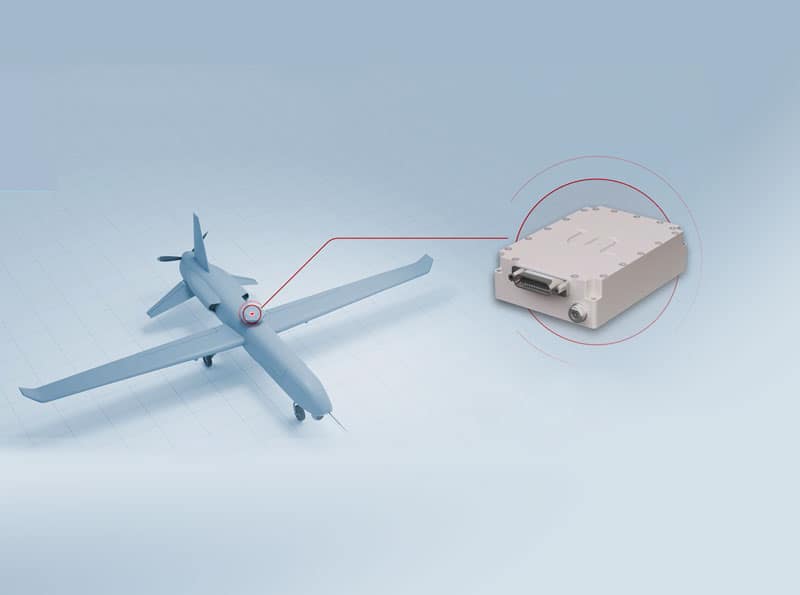
TUALCOM
Anti-Jam GPS-GNSS Devices, Tactical Data Links, Telemetry Systems, Electronic Warfare Equipment & Flight Termination Systems

Gold Partner

Beechat Network Systems
Mesh Networking & Secure C2 Backbone for UAVs & Autonomous Systems

Gold Partner

Gotonomi
Miniaturized UAV Satcom & Cellular Connectivity Solutions Enabling BVLOS Operations

Gold Partner
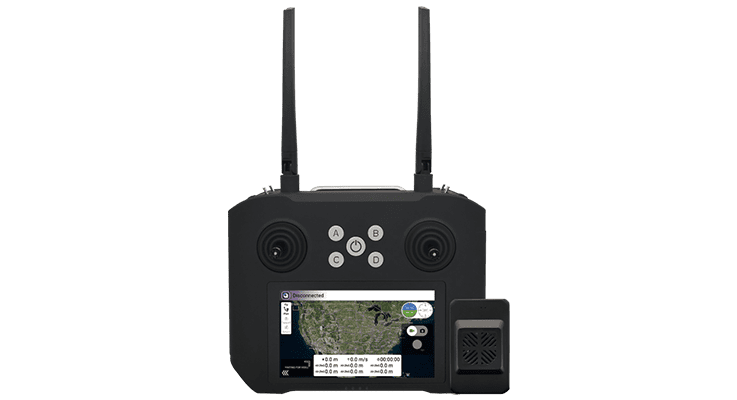
Taisync Technology
Wireless Datalink Solutions for Unmanned Vehicles & Robotic Platforms

Gold Partner

Viasat, Inc.
Secure Network Connectivity Solutions & IFF Mode 5 Encryptor Devices for Military & Government UAVs & Unmanned Systems

Gold Partner

Ground Control
Satellite Communications (SATCOM) & Cellular-Based IoT Solutions for Drones & Robotics

Gold Partner

Iridium Communications
Maritime Satellite Communications & Connectivity - SATCOM Terminals and Antennas

Gold Partner


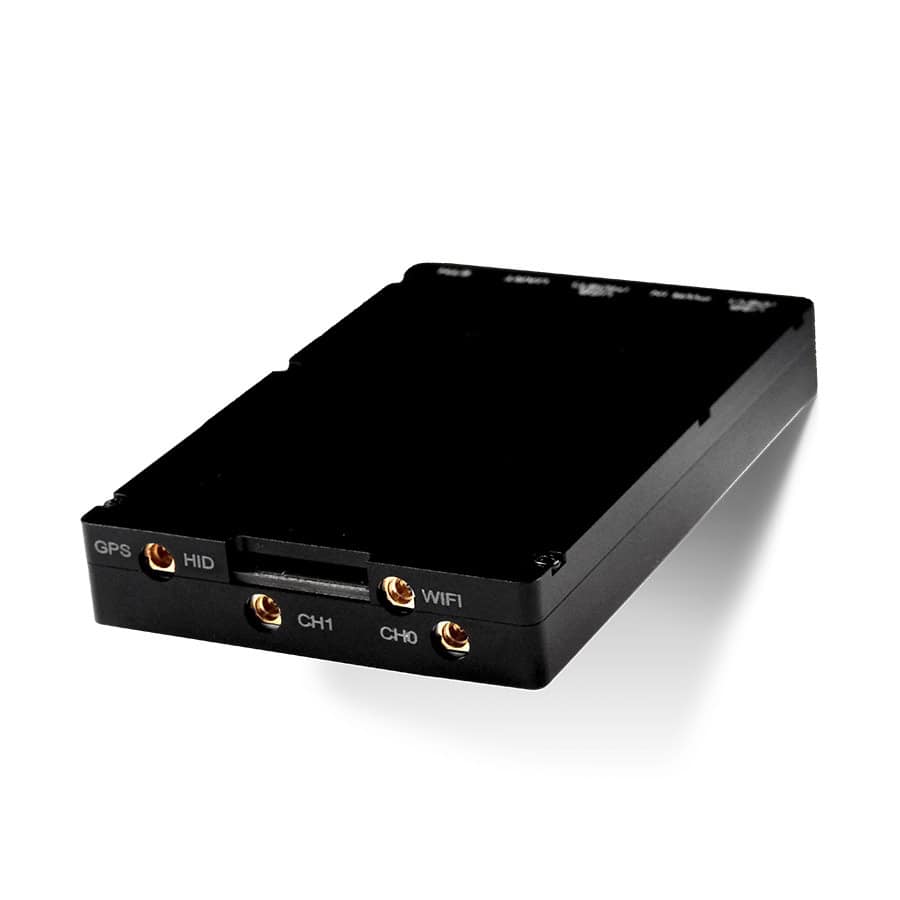
Doodle Labs
Mesh Radio, WiFi Transceivers & Wireless Mesh Network Technology for Drones, UAVs, UGVs & Robotics

Gold Partner

Meshmerize
Innovative Wireless Mesh Networking Technology: Ultra-Reliable & Low-Latency Connectivity for Drones & Mobile Robotics

Silver Partner

Steatite
Ultra-Reliable Rugged Hardware Solutions for Mission-Critical UAVs & Unmanned Systems Operating in Extreme Environments

Silver Partner
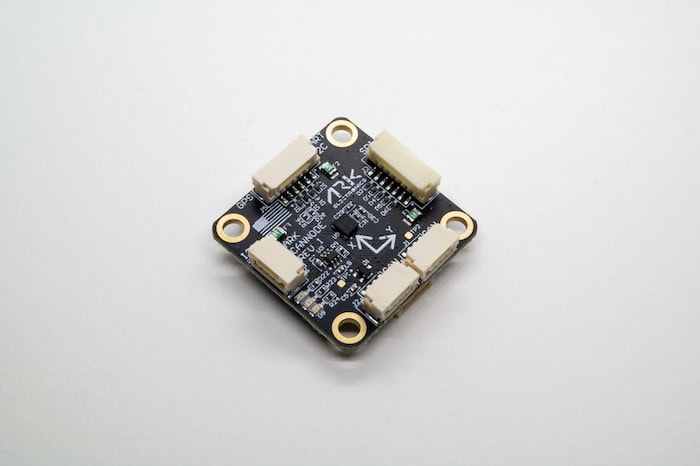
ARK Electronics
Cutting-Edge Flight Controllers, Sensors, and Other Electronics Technologies for Drones & Robotics

Silver Partner

VB Antennas
RF & Microwave Antennas for Drones & GCS | Surveillance & Communication Antennas

Silver Partner

Simpulse
SDR Technology, UAV Data Links & Tracking Antennas for Long-Range Communications

Silver Partner

Radionor Communications AS
Wireless Radio Communications, Tactical Data Links & Radio Transceivers for Unmanned Systems

Silver Partner
Showcase your capabilities
If you design, build or supply Wireless Connectivity, create a profile to showcase your capabilities on this page
Products


Satellite & Wireless Connectivity

Wireless Connectivity for Drones & Unmanned Systems

Rajant’s BreadCrumb® Wireless Network Nodes
Wireless connectivity allows drones and UAVs (unmanned aerial vehicles), as well as other platforms such as UGVs (unmanned ground vehicles) and USVs (uncrewed surface vessels), to communicate with a GCS (ground control station) or other center of operations. This wireless communication is essential for receiving command and control (C2) data, as well as transmitting telemetry information and payload data such as images and streaming video. Drones and unmanned systems may use a variety of methods to form wireless datalinks.
Satellite Connectivity

Cobham Aerospace’s AVIATOR UAV 200 SATCOM
SATCOM (satellite communications) can provide highly reliable wireless connectivity for unmanned vehicles operating almost anywhere on the planet, which also makes them highly suited for BVLOS drones. SATCOM terminals are relatively bulky compared to RF and cellular modems, possibly making them unsuitable for smaller SWaP (size, weight and power)-limited drones. Taking advantage of SATCOM usually requires subscription to a service, adding additional costs.
Wi-Fi Connectivity
Wi-Fi is a common method of communications used in smaller and hobby drones. While good data rates can be achieved, range is typically limited to under a kilometer. Wi-Fi also uses the unlicensed ISM (industrial, scientific and medical) band, which is shared by many devices, so interference may be an issue.

Elsight’s Halo UAV Communication System
RF Connectivity
RF (radio frequency) connectivity can extend the range of drone datalinks up to tens of kilometers, depending on the size of the antenna and the power of the transmitter. RF datalinks may operate on a number of different frequencies, with lower frequencies offering the greatest range but lowest data rate.
LTE Connectivity
Cellular and LTE communications can provide good bandwidth for data-intensive applications such as streaming video, and theoretically allows drone pilots to control their aircraft from anywhere in the world as long as there is a connection, making it ideal for BVLOS (beyond visual line of sight) operations. Coverage may be an issue – in many parts of the world, 4G and 5G are not yet ubiquitous, especially outside of urban areas.


