


Wireless Datalink Technology for UAV & Drones
Find manufacturers of Wireless Datalinks for drones and suppliers of long range datalink technology for unmanned systems; UAV, UAS, UGV, USV and robotics
Category Presented by


Suppliers
Add your company
DTC Codan
Software Defined Radios (SDRs) and IP Mesh Radios for UAV, Drones, UGVs and Robotics

Platinum Partner

Austars Model
Advanced VTOL & Fixed-Wing UAVs | State-Of-The-Art Technologies for Unmanned & Autonomous Aircraft

Platinum Partner

Honeywell Aerospace
BVLOS Solutions for UAS & UAM: Fuel Cells, Radar, Navigation Sensors, Flight Control & SATCOM

Platinum Partner

SKYTRAC
UAV, UAS, and UAM Satellite Communications – BVLOS and C2 Satcom Terminals and Mission Servers

Platinum Partner

Exail
Inertial Navigation & Positioning Technology for Unmanned, Autonomous Systems

Platinum Partner
Triad RF Systems
Integrated Radio Systems, RF Power Amplifiers, Bi-Directional Amplifiers & Consultancy Services for UAV & Unmanned Systems

Platinum Partner

TUALCOM
Anti-Jam GPS-GNSS Devices, Tactical Data Links, Telemetry Systems, Electronic Warfare Equipment & Flight Termination Systems

Gold Partner

Gotonomi
Miniaturized UAV Satcom & Cellular Connectivity Solutions Enabling BVLOS Operations

Gold Partner
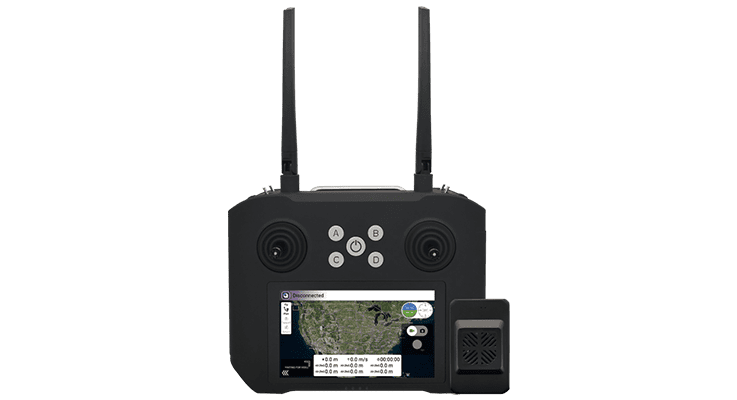
Taisync Technology
Wireless Datalink Solutions for Unmanned Vehicles & Robotic Platforms

Gold Partner

Ground Control
Satellite Communications (SATCOM) & Cellular-Based IoT Solutions for Drones & Robotics

Gold Partner

Iridium Communications
Maritime Satellite Communications & Connectivity - SATCOM Terminals and Antennas

Gold Partner

uAvionix Corporation
Certified UAV Communications, Navigation, Control, Surveillance, and Combat ID Solutions

Gold Partner

Meteksan Defense
UAV Components: SAR, Radar Altimeter, Data Links, Telemetry, GNSS Products & C-UAS | Tactical USVs

Gold Partner


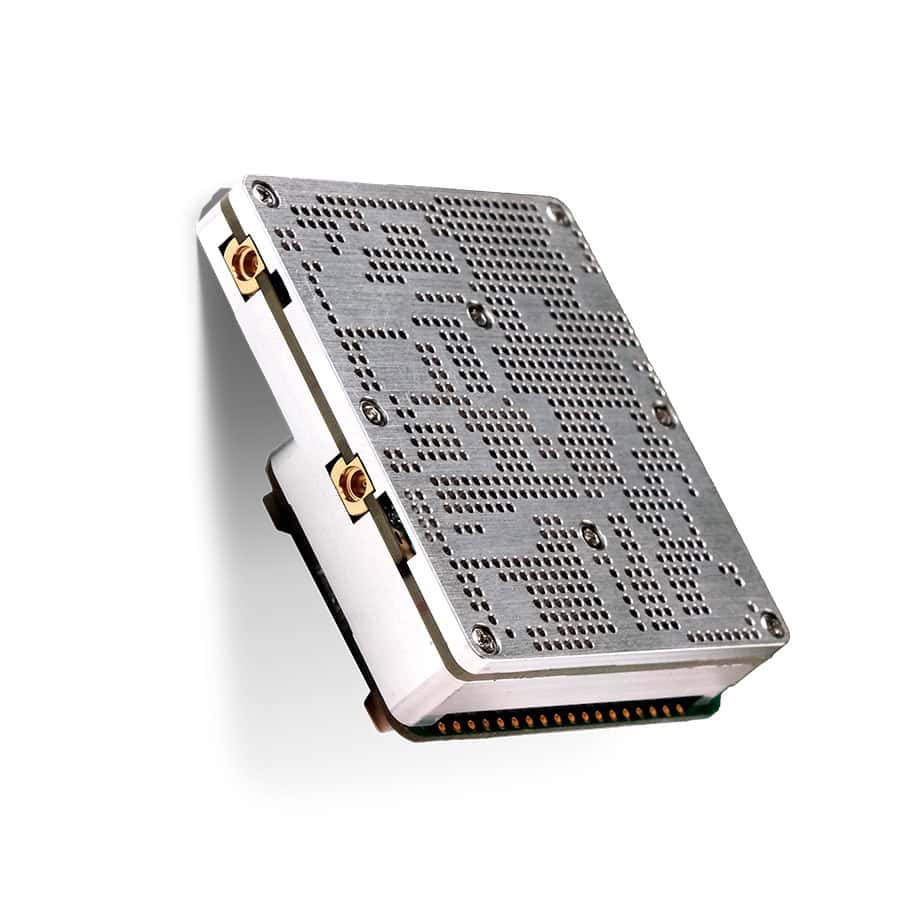
Doodle Labs
Mesh Radio, WiFi Transceivers & Wireless Mesh Network Technology for Drones, UAVs, UGVs & Robotics

Gold Partner

Sightline Intelligence
Onboard Video Processing Software and Hardware for Unmanned Systems

Gold Partner

Eroot Electronics
Professional UAV Components & Sensors: Drone Flight Controllers, GNSS Modules, Telemetry Solutions

Silver Partner

Steatite
Ultra-Reliable Rugged Hardware Solutions for Mission-Critical UAVs & Unmanned Systems Operating in Extreme Environments

Silver Partner


Simpulse
SDR Technology, UAV Data Links & Tracking Antennas for Long-Range Communications

Silver Partner

Radionor Communications AS
Wireless Radio Communications, Tactical Data Links & Radio Transceivers for Unmanned Systems

Silver Partner
Showcase your capabilities
If you design, build or supply Wireless Datalinks, create a profile to showcase your capabilities on this page
Products






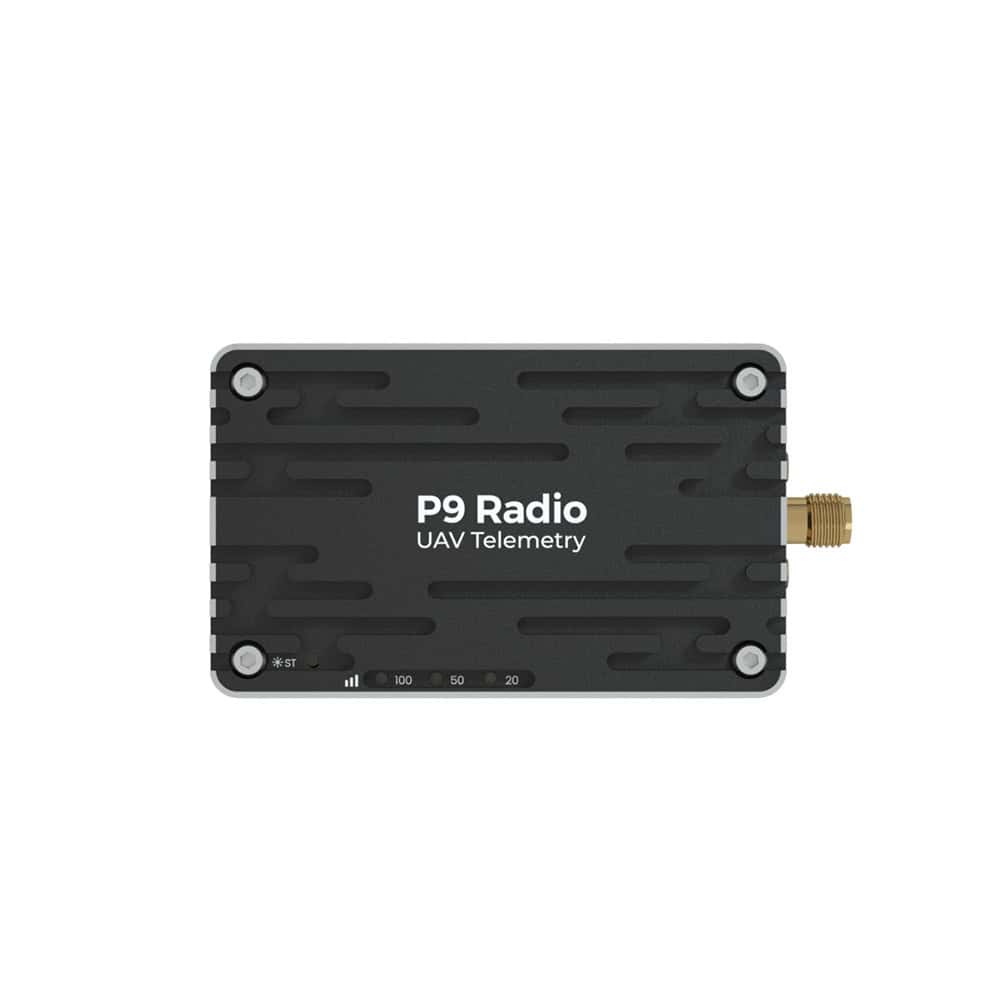


Wireless Datalink Technology for UAV & Drones

Datalink Technology

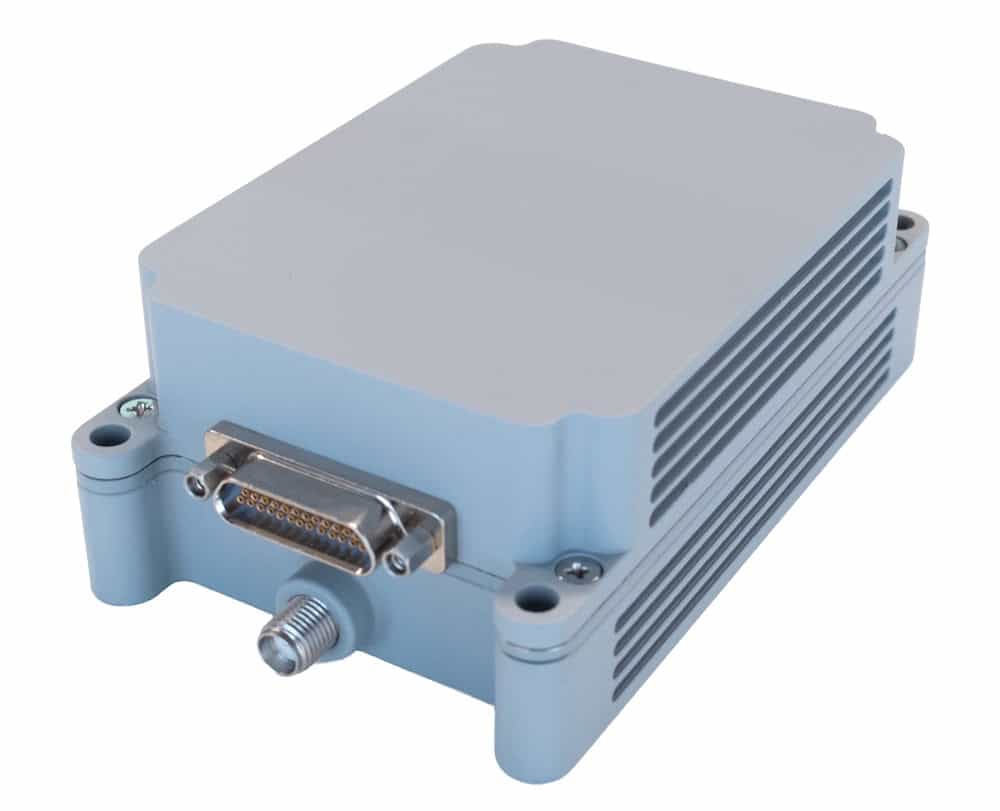
Wireless Communication RF Power Amplifier by Triad RF Systems
Wireless datalinks transmit data from one point to another without the use of cables or other physically wired systems, and typically use frequencies in the radio and microwave portions of the electromagnetic spectrum.
Wireless communication technology is an essential part of unmanned aerial systems (UAS) and other unmanned vehicles, carrying out such tasks as sending commands from a GCS (ground control station) to a drone autopilot, transmitting telemetry data from a drone to the GCS, and transmitting video, images and other data from drone sensor payloads.
Smaller drones may be equipped with a Wi-Fi transceiver that enables them to form a wireless link. However, Wi-Fi has a limited range of less than a kilometre, and outside of urban areas that may have extensive Wi-Fi coverage, greater ranges may be required. Drones that need to operate BVLOS (beyond visual line of sight) or be controlled in remote areas over large distances will require a different solution.
Wireless Datalink for Drone Communication

Austars’ UAV Datalink Solution
In addition to long ranges, drone datalink communication also needs to be able to handle the high speeds at which unmanned aircraft can fly, as these speeds can affect the spectral efficiency of the datalink. The wireless communication method must also have sufficient bandwidth to support the data rate requirements of the application. Sophisticated drone sensor payloads can stream real-time video in high-definition, requiring significant data throughput. A drone datalink also needs to have as large an uptime as possible, particularly for drones using real-time sense-and-avoid technologies that require near-constant availability to operate.
Lower frequency bands such as HF (3 – 30 MHz) and VHF (30 – 300 MHz) have become very congested as the number of aircraft has increased, and so UAV datalinks have increasingly moved into the L-band (1 – 2 Ghz). The wider band allows for wider channels that can support the high data rates of modern sensors.
Tactical Datalinks for Drones
Military and government UAVs may have additional requirements for their wireless datalinks. These include advanced data encryption for maximum security, as well as anti-jamming and anti-spoofing capabilities. The datalink should also be difficult to detect in order to reduce the likelihood of the UAV being located.

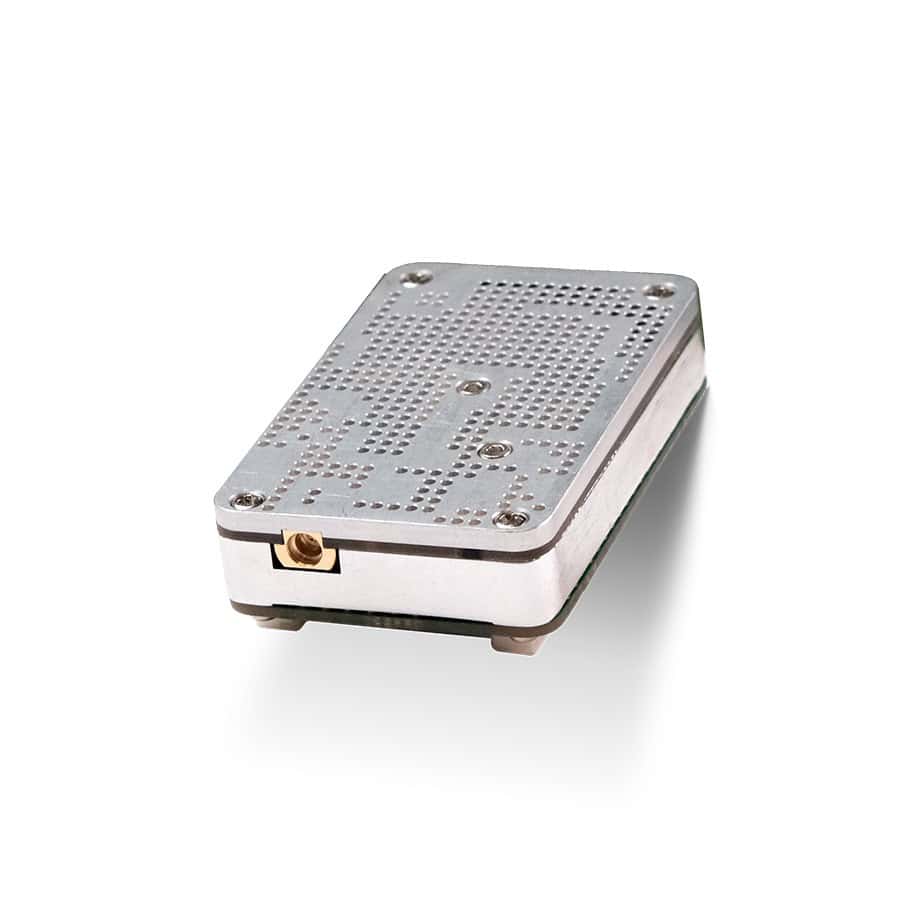
Tactical Datalink Technology by Radionor
UAV Datalink Capabilities
Drone datalink capabilities can be extended by using radios with MIMO (multiple-input multiple-output) wireless technology. MIMO allows both the reliability and the capacity of a radio link to be expanded by using multiple antennas at both the transmitter and receiver. This antenna diversity introduces additional signal paths that can be used to improve the signal-to-noise ratio of the link. The additional antennas can be also used for multiplexing, in which the different paths are used to carry multiple data streams.


