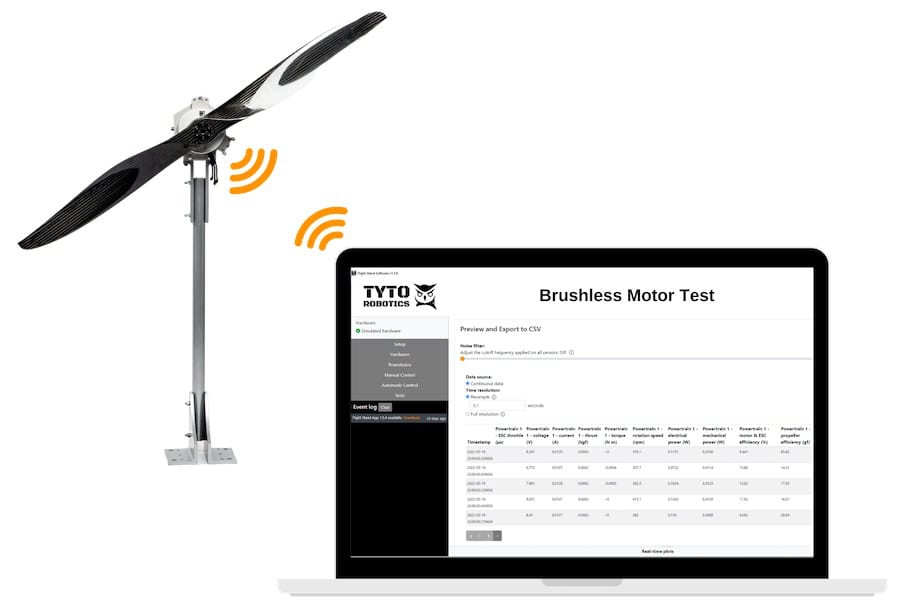
Tyto Robotics highlights the importance of propeller balancing as a critical factor in ensuring the safe, reliable, and efficient operation of unmanned aerial vehicles. Learn more > >
Imbalanced propellers can cause excessive vibration, increased noise, and accelerated wear on key components, all of which negatively affect UAV performance and longevity. To address this, many manufacturers follow the ISO 21940 11 2016 standard, a widely adopted guideline for rotor balancing.
This standard defines permissible residual imbalance levels for rigid rotors and replaces the earlier ISO 1940 1 2003 version. It introduces five methods to determine acceptable imbalance, including balance quality grades, experimental evaluation, and limits on bearing forces and vibration. Organizations with significant internal data often use their own evaluation methods, while many rely on standard balance quality grades established through industry experience.
Balance quality is quantified using grade “G” values, which indicate the permissible vibration velocity in millimeters per second. UAV propellers are typically balanced to G 6.3, corresponding to a vibration level of 6.3 mm per second. This ensures smooth operation, reduced component stress, and minimal interference with sensitive onboard systems.
By aligning with ISO 21940 11 2016 standards, drone developers can achieve consistent performance, reduce maintenance needs, and extend the service life of aerial platforms.